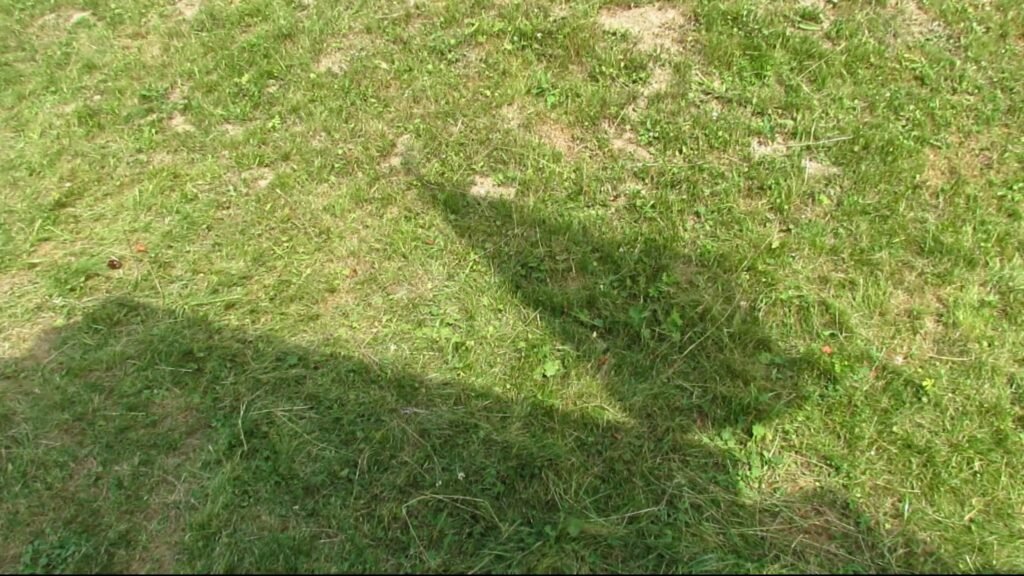
The shadow of the flag,
video, 2024-2025
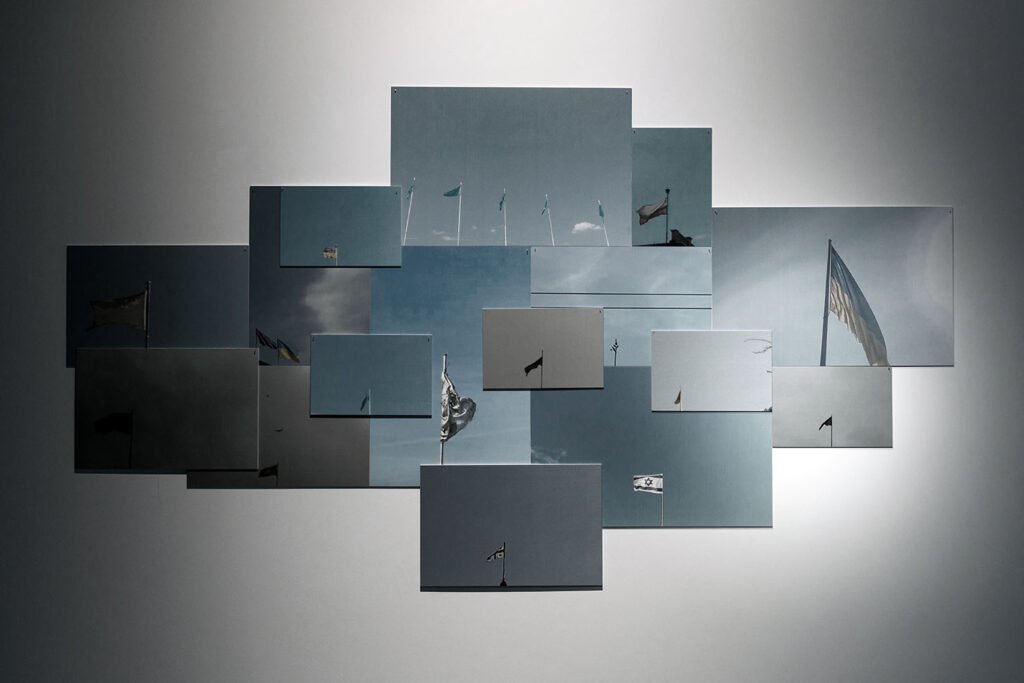
Flags
video and video stills, 2015-2025
Vlodko Kaufman
The shadow of a flag
video, 2024-2025
In Vlodko Kaufman’s video, the shadow of a fluttering flag falls across the ground. It is hard not to think of it as the shadow of a state cast onto the landscape, transforming it intoterritory. It is also hard not to think that, while watching this work, we find ourselves in asituation similar to that of the people described by Plato in the cave allegory of his Republic. We do not see whose banner waves above the landscape. Is it our flag? A foreign one? In the frame, not only is the flag casting the shadow invisible, but so is the figure of the artistwatching that shadow – and yet his presence is palpable, betrayed by the hand-held camera. Waldemar Tatarczuk responds to Kaufman’s work with his own collection of images of flags. We see them in frames from short video clips he filmed in various parts of the world during his artistic travels. In the late-modern era, artists led the life of nomads – or at least they did so during the epoch of ‘the end of history’, which was supposed to begin after the Cold War. The postmodern artist appeared as a figure that did not fit within the borders of nation-states and cultures; freely crossing them, an individualist, a citizen of the world acting under the banner of art – and of his own unique identity. In the process of globalisation, borders were expected to become relics of the past, remnants of a divided era. Yet today, they not only persist; they become front lines. Flags, too, have not been consigned to the archive of history: raising a banner over someone else’s territoryremains the symbolic culmination of conquest, while defending a flag remains a symbol of resistance and endurance.
Vlodko Kaufman, born 1957, Karaganda (Kazakhstan). He graduated from the Ivan Trush Lviv College of Decorative and Applied Arts (1978). He studied architecture at the Lviv Polytechnic National University (1978–1980). He is a graphic artist, painter, performance artist, curator and co-founder of major art institutions in Lviv. From 1989 to 1993, he was a member of the Shliakh Art Society, in 1993, he co-founded the Dzyga Art Association. He is a co-founder of the Institute of Contemporary Art (2007). He curated the project ‘Actual Art Week’ in Lviv and the triennial Ukrainian Cross-Section.